Leh sits at roughly 3,500 metres, and most visitors fly in directly from sea level. The jump is large enough that the body needs real time to adjust before any drive toward Hemis National Park, which itself sits higher still, with wildlife routes often pushing past 4,000 metres. This is not a suggestion for the cautious; it is standard practice among the Ladakhi guides and spotting teams who work these valleys every season and who plan their own movements around exactly this curve. A workable 48-hour window, used properly, is what separates a trip that functions from one that stalls on day one with a headache and a cancelled plan.
Day one: arrival and near-total rest
Flights into Leh typically land in the morning, often before 10am, which leaves a long day that feels wasteful to spend doing nothing. Spend it doing nothing anyway. The standard medical guidance for this altitude band is to avoid exertion for the first 24 hours: no uphill walks, no early monastery visits, no alcohol. Short walks on flat ground within the guesthouse grounds are fine. Hydration matters more than most people expect, aim for three to four litres of water across the day, more than feels natural. Meals should be light. Many travellers feel unusually tired or mildly short of breath on stairs; this is expected, not a warning sign on its own.
Day two: gentle movement, not sightseeing
By the second day, short outings are reasonable, a walk to a nearby market or a low-effort visit to a monastery close to town, Shey or Thiksey are common choices given their modest distance (roughly 15 to 20 kilometres from Leh, under an hour by road). Keep elevation gain minimal, these are valley-floor or gentle-slope visits, not climbs. Afternoon rest is still the priority. This is also the point where mild symptoms, headache, slight nausea, poor sleep, either settle or persist. If they persist into evening, the plan should change, not be pushed through.
What acclimatisation actually buys you
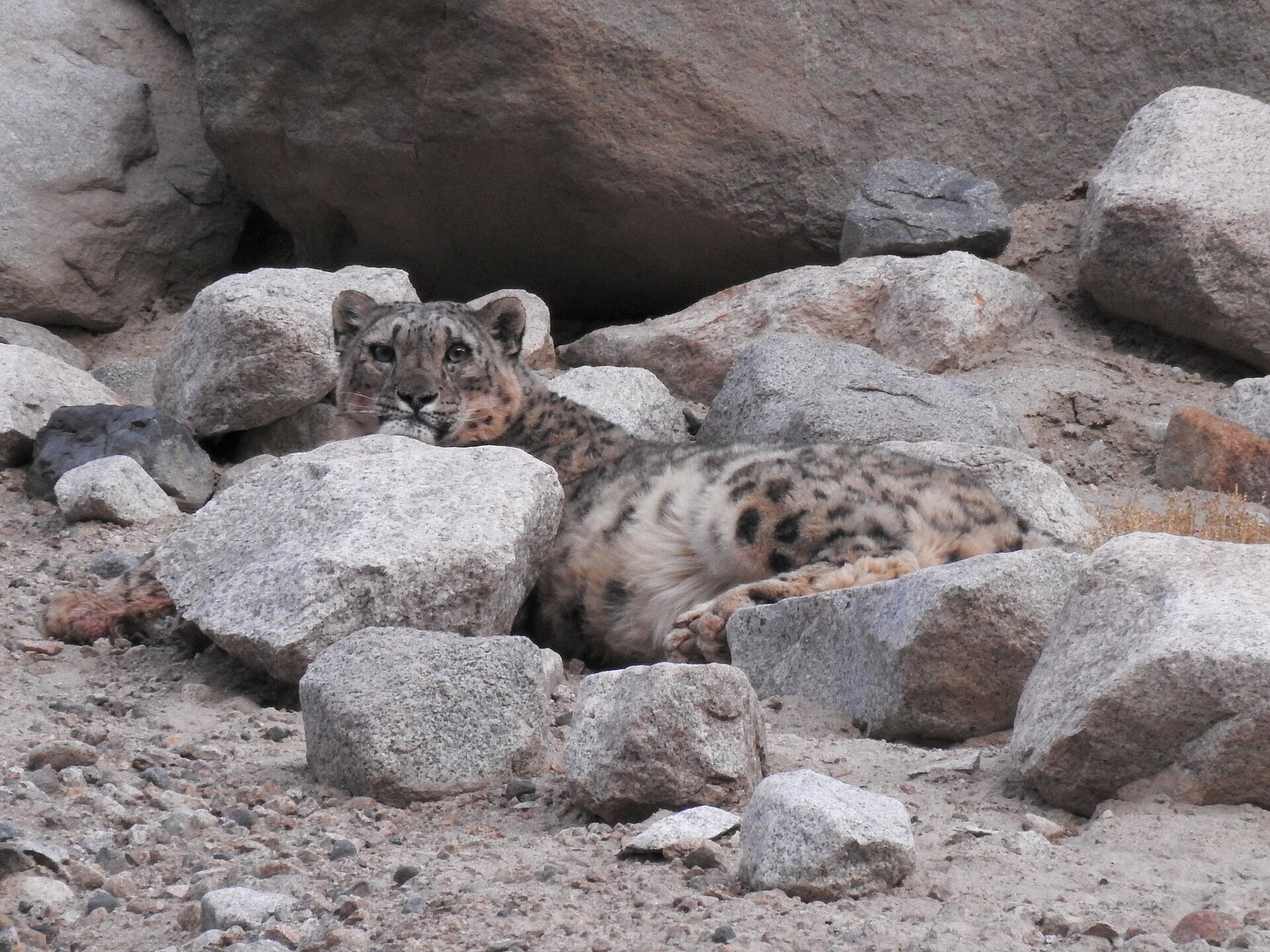
The point of these two days is not comfort, it is margin. Hemis National Park's wildlife routes, particularly those used for snow leopard tracking in winter, involve early starts, long stationary waits in cold, and walking at altitudes where the air carries meaningfully less oxygen. A body that has had 48 hours to adjust handles a 5am start at minus fifteen degrees with far more resilience than one that is still fighting the altitude on top of the cold. The spotting teams who work these slopes daily are not immune to altitude, they simply respect it on a schedule, and visitors who match that schedule tend to perform better in the field, not just feel better in town.
Persistent headache that doesn't respond to rest and water, vomiting, confusion, or breathlessness at rest are signs to descend or seek medical attention in Leh, not to push through. Leh has hospital facilities with oxygen and altitude expertise; use them if symptoms escalate rather than waiting it out in a guesthouse.
Booking the right base for these two days
Where you stay for this acclimatisation window matters more than the itinerary itself. A guesthouse in central Leh, within easy walking distance of a pharmacy and a market, makes the enforced rest far less tedious and keeps help close if symptoms appear.
Timing it against your Hemis departure
Most operators and drivers arranging onward travel into Hemis National Park expect this two-day buffer as a baseline, not an extra. If your schedule has you landing in Leh and departing for the park's interior the same day or the next morning, it is worth reconsidering, regardless of how the itinerary was sold. Three days total in Leh before moving higher is a safer margin if your onward route climbs quickly, for example toward Rumbak or further into the park's winter tracking zones, which sit well above 4,000 metres. Check the day's specific route and elevation profile with whoever is organising the trip; altitude gain per day, not just total distance, is what determines the real risk.
What to do with the rest of the time
If both days pass without symptoms, use any remaining daylight on day two for low-effort preparation rather than ambition: confirm permits, check weather for the coming days, and talk to local guides about current conditions on the routes you plan to take. This is also a reasonable point to ask spotting teams or guesthouse staff about recent sightings and snow conditions, information that changes week to week and is far more current from people working the terrain than from any fixed itinerary. The wonder of Hemis is real, but it belongs to the eyepiece on day three or four, not to the first 48 hours, which belong entirely to logistics.