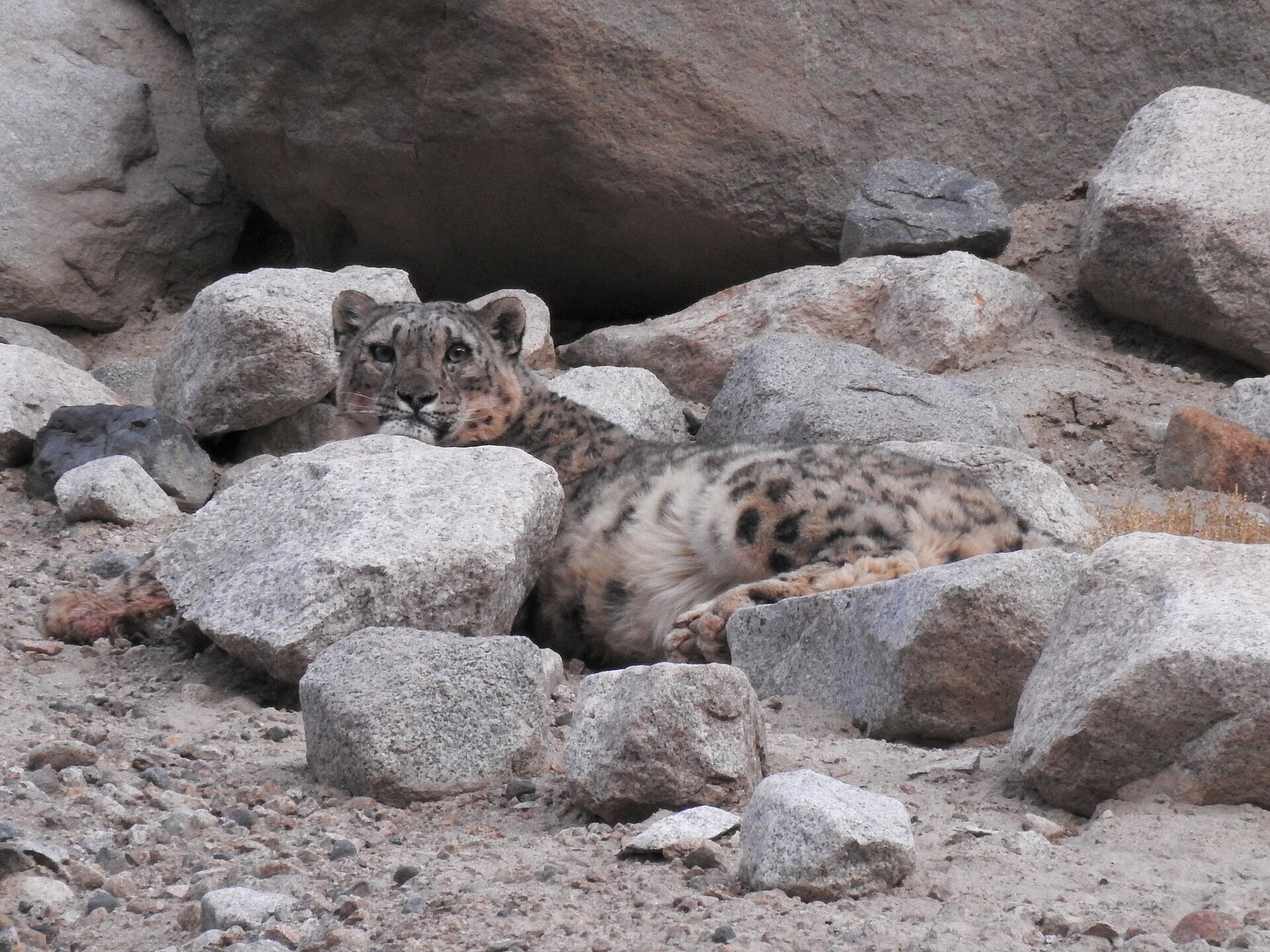
Most visitors reach Hemis National Park thinking about snow leopards, not stupas. But the park takes its name from a working monastery that predates almost every trekking route now marked on local maps, and understanding its history helps make sense of why the valley looks and functions the way it does today. This is a factual account, not a devotional one: dates, patrons, and the practical reasons the gompa became what it is.
Founding in the 17th century
Hemis Monastery was established in 1630 under the patronage of King Sengge Namgyal, one of the most effective rulers of the Namgyal dynasty, who controlled much of Ladakh at the time. The founding figure was Stagsang Raspa Nawang Gyatso, a Drukpa Kagyu lama invited from Tibet. The site itself was already associated with an earlier meditation retreat, reportedly linked to the 11th-century yogi Naropa, which gave the location spiritual weight before the formal monastery existed. The choice of a side valley rather than a position on the main Indus route was deliberate: it kept the monastery away from the trade roads and the raiding parties that periodically moved along them.
Why the Drukpa Kagyu lineage took root here
Hemis became the principal seat of the Drukpa Kagyu school in Ladakh, a position it still holds. Royal patronage meant land grants, tax exemptions and a steady flow of resources, which allowed the monastery to grow beyond a single retreat into a complex housing, at its peak, several hundred monks. The Namgyal kings used monastic institutions like Hemis as a stabilising force across a kingdom that was otherwise thinly governed, and in return the monastery received protection and prestige that smaller gompas never matched.
Surviving invasions and the 19th-century Dogra period
Ladakh's political history between the 17th and 19th centuries was not calm. Mongol and Tibetan forces, and later the Dogra campaigns from Jammu in the 1830s and 1840s, disrupted much of the region. Hemis is often cited as the monastery that suffered least damage during these episodes, largely because of its location roughly 45 kilometres southeast of Leh, tucked into a side gorge off the main Indus valley road and reached by a final climb that discourages a fast raid. This relative isolation is also why Hemis became the traditional storehouse for valuables moved out of more exposed monasteries during unstable periods, a practice that fed later rumours of buried treasure under the complex. No verified excavation has confirmed anything beyond the monastery's known and catalogued collection.
The monastery holds a museum with thangkas, ritual masks, and metalwork, some pieces dated to the 14th century, predating the current building. Entry is a separate small fee from the national park permit; opening hours shift by season, so check the day's schedule locally rather than relying on a fixed timetable.
The museum, the thangka and the twelve-year cycle
Among the monastery's holdings is a large appliqué thangka of Padmasambhava, kept rolled and sealed except during a public display that occurs once every twelve years, tied to the Monkey Year in the Tibetan calendar. The last major display drew large crowds from across Ladakh and from abroad; the next is not due again until the cycle completes. Outside of that event, the museum's smaller but steady collection of 16th to 19th century religious art is on view year-round, and remains one of the more substantial assemblies of Ladakhi Buddhist material culture in a single building.
The festival that made the name recognisable
Hemis is now best known beyond Ladakh for its annual Tse-Chu festival, held in the monastery's main courtyard, usually in June or July depending on the lunar calendar. Masked cham dances performed by monks reenact the triumph of Padmasambhava over obstructive forces, in choreography that has changed little in structure over generations even as costuming and courtyard arrangements have adapted to larger audiences. For a detailed breakdown of the dances themselves, see the Hemis Festival guide to the masked cham dances. The festival has become the single biggest draw to the monastery, well above general sightseeing visits, and accommodation in Leh fills up noticeably in the days around it.
From royal seat to national park namesake
When Hemis National Park was formally established in 1981, the boundaries were drawn around the watershed that the monastery had quietly overseen for centuries, including the Markha and Rumbak valleys now popular with trekkers. The park's name is a direct inheritance from the gompa's historical reach, not an administrative coincidence. Today the monastery functions alongside the park rather than within a single managed circuit: visitors typically combine a stop at Hemis with wildlife-focused time further into the park, since the approach roads overlap for part of the journey. Details on the actual route and driving times are covered in the guide to getting to Hemis National Park from Leh.
Visiting practicalities worth knowing
The monastery sits at roughly 3,500 metres, lower than most of the park's wildlife-watching zones, so it makes a reasonable first stop before altitude becomes a serious factor; most visitors handle it comfortably as part of the standard Leh acclimatisation window described in the 48-hour Leh acclimatisation guide. Entry fees for the monastery museum are separate from the Hemis National Park entry permit, so budget for both if you are continuing on to Rumbak or the Markha valley the same trip. A half-day is generally enough for the monastery itself, leaving the rest of the day for travel back to Leh or onward into the park.