The Markha Valley trek is the classic multi-day route through Hemis National Park, stitching together high-altitude villages, two passes, and long stretches of river valley walking. It is not a technical climb, but it is not a casual walk either: most itineraries run 6 to 9 days depending on the starting trailhead and whether you add the Gandala or Kongmaru La on either end. Below is a stage-by-stage breakdown based on the standard route, with the honest logistics rather than the romanticised version.
Getting to the trailhead
Most parties start from Chilling or Skiu, reached by a 2.5 to 3 hour drive from Leh along the Indus. A shorter variant begins at Zingchen, about an hour from Leh, which trims a day but skips the Gandala La approach. Road transport costs vary by vehicle size and season; shared taxis or a trekking agency's jeep are the usual options, and booking a day ahead through the agency is standard practice rather than a last-minute negotiation at the taxi stand.
Day-by-day stages
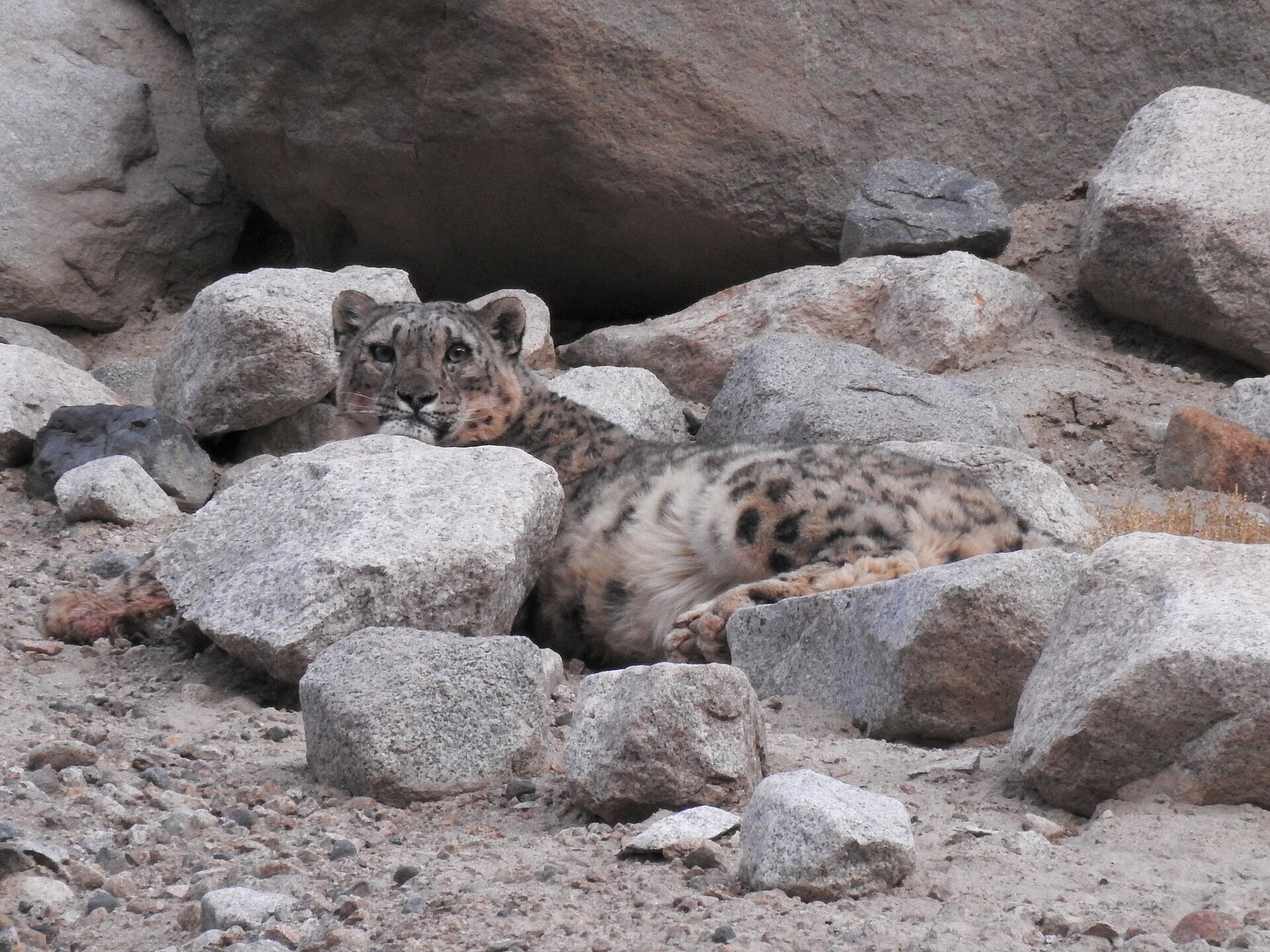
From Zingchen, the first stage climbs gently through the Rumbak gorge to Rumbak village (roughly 3 hours, 3,900m), inside the core area where Ladakhi spotting teams often base their snow leopard watches in winter. The trek then crosses the Gandala La (4,900m) on day two, a long pull of 5 to 6 hours down into Skiu. From Skiu, the route follows the Markha river upstream through Markha village (a full day, around 6 hours, with several ankle-to-knee river crossings depending on season), then on to Hankar and the Nimaling plateau (4,700m), a two-day stretch of roughly 5 to 6 hours each. The final stage crosses the Kongmaru La (5,150m, the trek's highest point) and descends to Shang Sumdo, typically 6 to 7 hours, where vehicles meet trekkers for the return to Leh.
River crossings and seasonal timing
The Markha river is crossed multiple times between Skiu and Markha village, and again near Hankar. In June, snowmelt can push water to mid-thigh and crossings slow the day considerably; by late August and September the river drops and crossings are a non-event, just wet boots for a few minutes. Most agencies and independent trekkers treat July to mid-September as the reliable window, with late September offering cold mornings but stable river levels and clearer skies. May and early June are possible but river volume and residual snow on the Kongmaru La make timing less predictable; check the day's schedule with a local guide rather than fixing dates far in advance.
Nimaling plateau sits at 4,700m and the Kongmaru La at 5,150m, higher than Everest Base Camp. Spend the Rumbak and Markha nights adjusting before pushing to Nimaling, and treat headaches or poor sleep as a signal to rest a day rather than press on.
Homestays, food, and daily costs
Villages along the route (Rumbak, Skiu, Markha, Hankar) run homestays with fixed-rate boards, typically covering a dorm-style room, dinner, and breakfast. Expect to budget per night in the range most Ladakh trekking agencies quote, roughly 1,200 to 1,800 rupees per person including meals, though this shifts year to year and is worth confirming locally rather than assuming a printed rate still holds. Nimaling, above the last permanent settlement, has seasonal tent camps instead of homestays. Carrying a stove and basic supplies is unnecessary if using homestays throughout, but some independent trekkers still carry a backup meal for the Nimaling to Shang Sumdo stretch in case camps are closed early or late season.
Permits and park fees
Since the route runs through Hemis National Park, an entry fee applies and is usually collected at the park checkpoint or bundled into an agency's package. Inner Line Permit requirements can change for certain zones near the Indus and restricted border areas; if planning independently, confirm current permit rules with the District Magistrate's office or a registered Leh agency before departure, since regulations have shifted in past years and an outdated blog post is not a reliable source.
Guides, porters, and going independent
The trail is well-marked and heavily used in peak season, so navigation is rarely the issue; fitness, altitude, and river timing are. Many trekkers hire a local guide or at least a pack animal to carry gear, both arranged through Leh agencies or directly in Rumbak and Skiu. Ladakhi guides on this route often double as the same spotting teams who track snow leopards and blue sheep in winter, and their read of weather and river conditions is generally more current than any fixed itinerary. A solo trek without a guide is feasible for experienced hikers in peak season but less advisable in shoulder months when fewer parties are on the trail.