Hemis National ParkLADAKH · INDIA Plan the trip
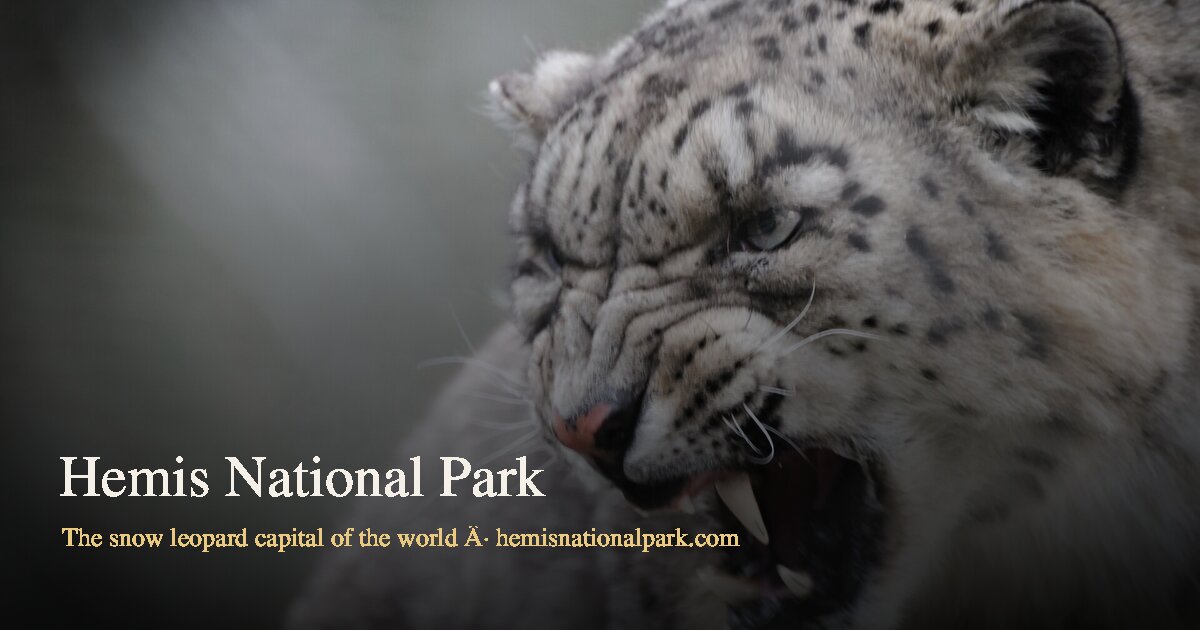
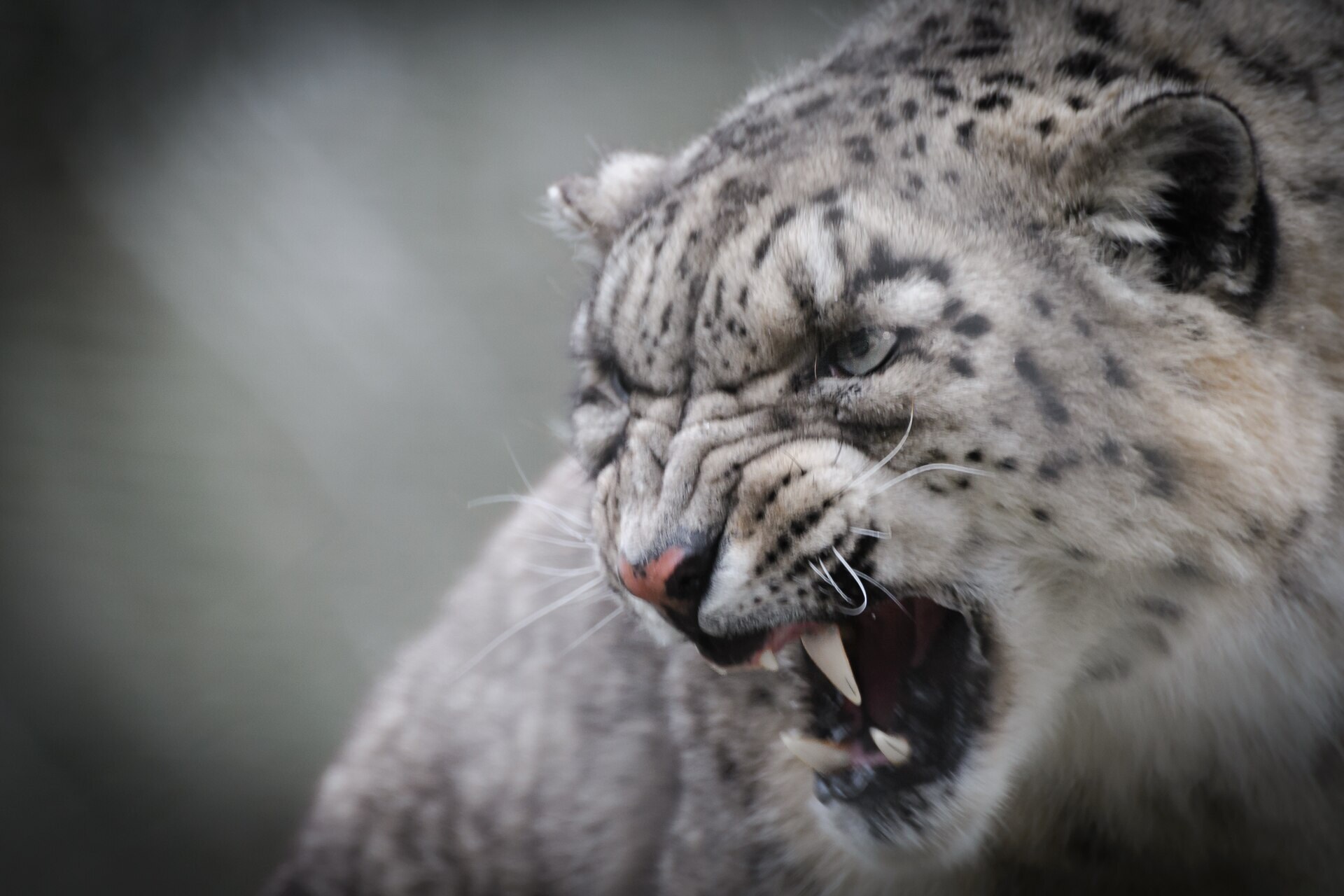
Close portrait of a snow leopard baring its teeth
Greg Townsend, CC BY-SA 4.0
THE SNOW LEOPARD CAPITAL OF THE WORLD

Where the grey ghost actually appears

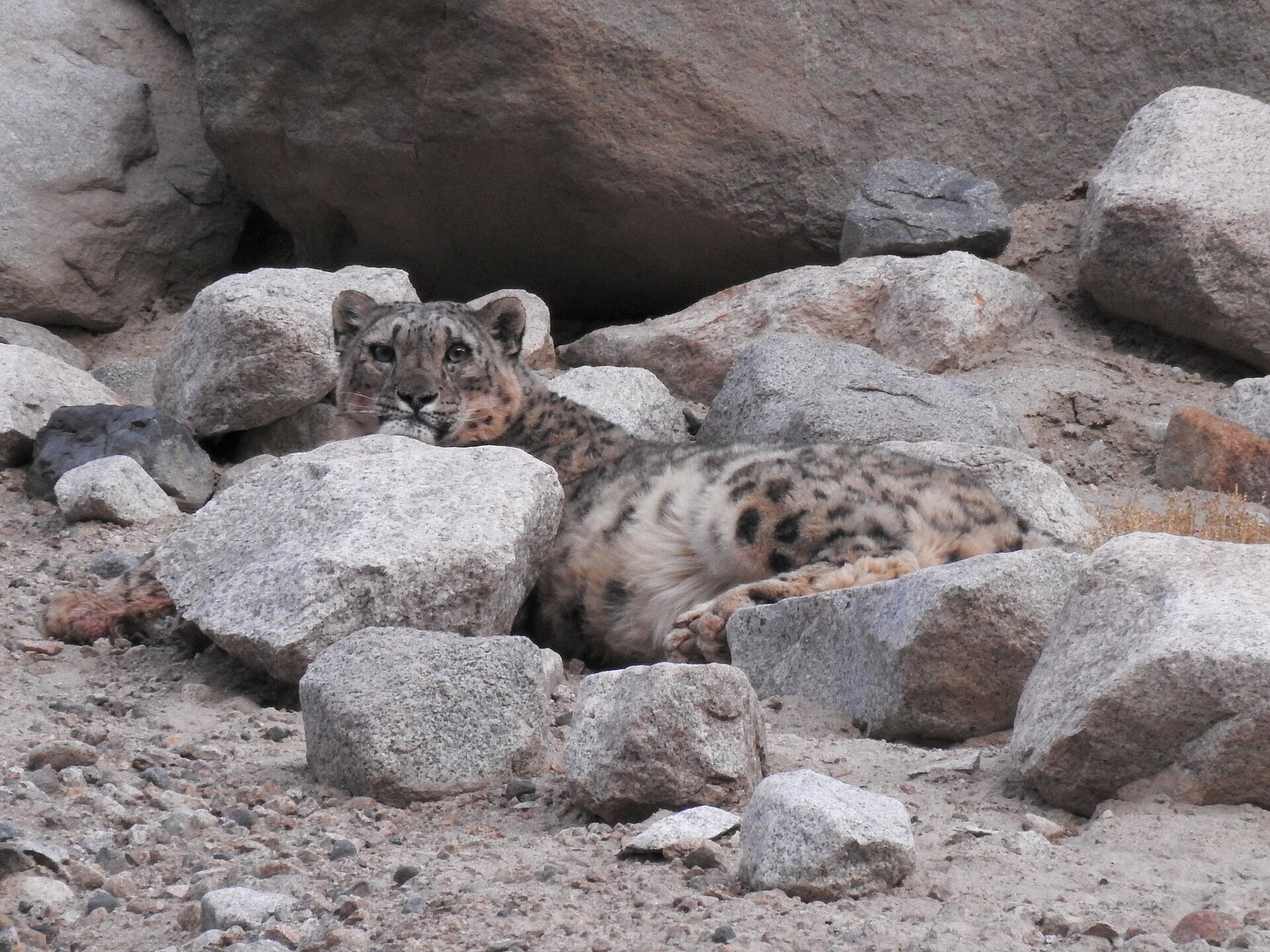
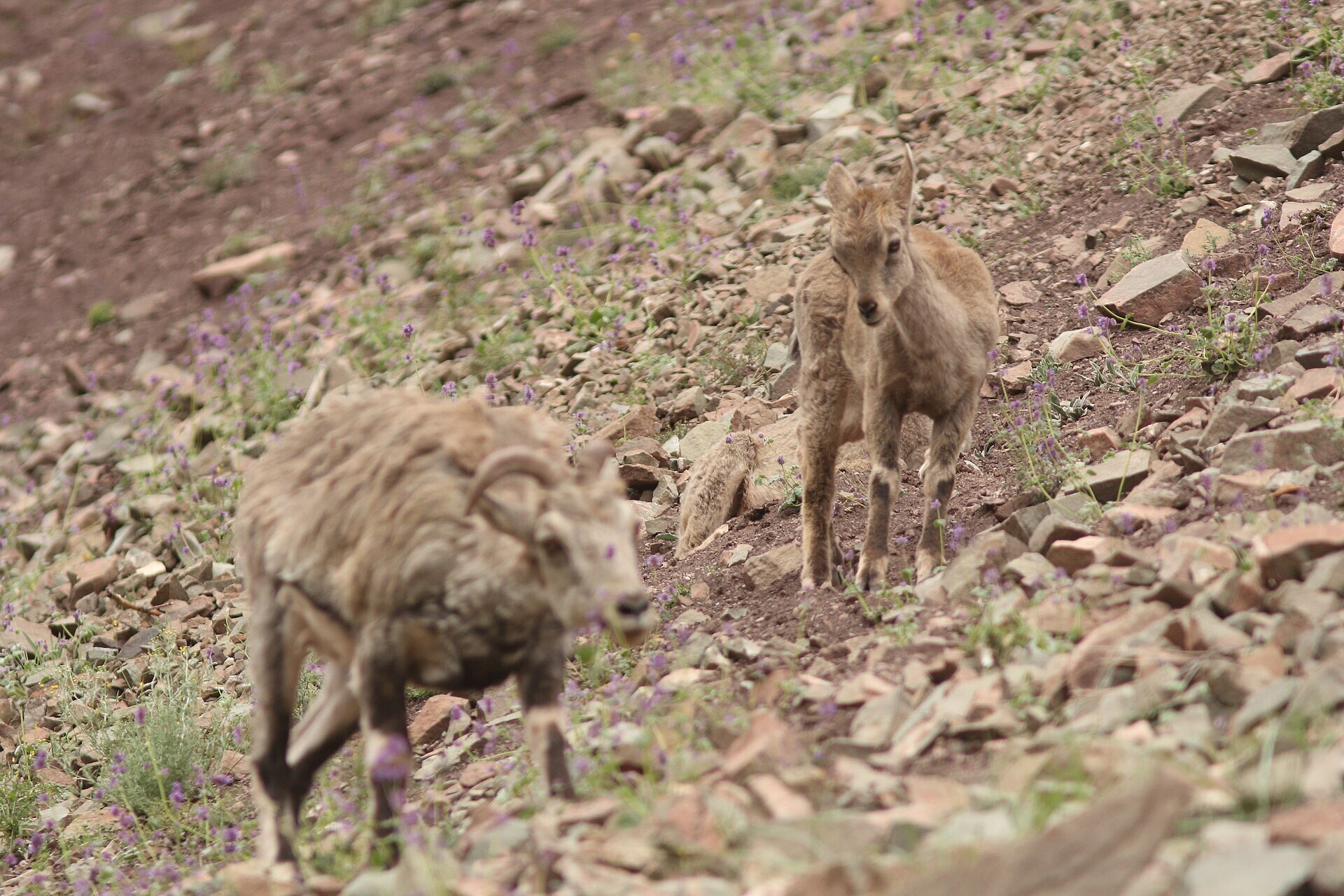
Hemis is 4,400 square kilometres of high Ladakh, crumpled rock, blue-sheep slopes and villages that still winter behind metre-thick walls, and it holds the densest snow leopard population on Earth. In the cold window, with a Ladakhi spotting team and a telescope, the world's most unseeable cat gets seen here, year after year. This is the guide to doing it right.

1 THE PARK

High desert, hidden cats, inhabited wilderness

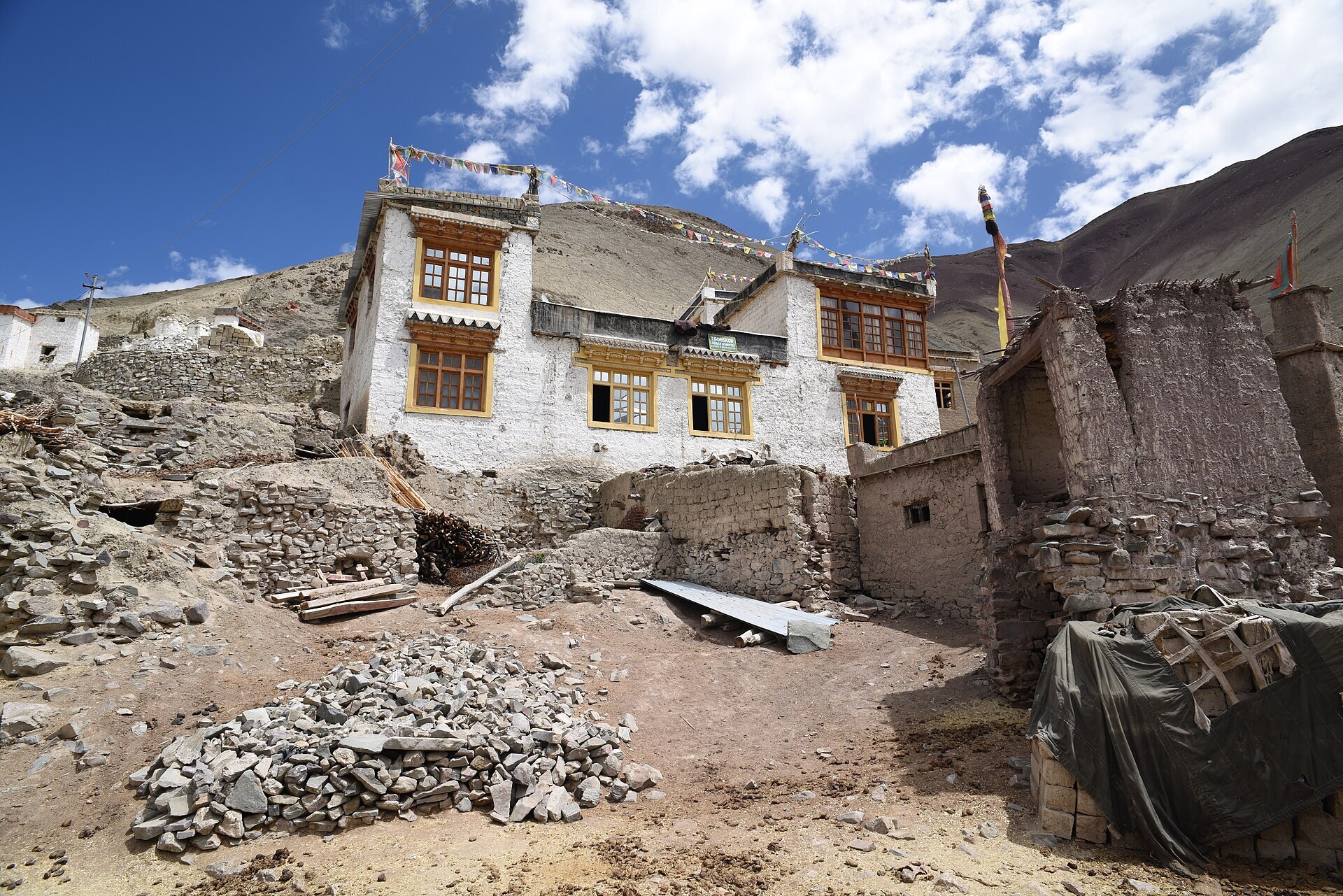
Hemis is not an empty reserve: a handful of villages farm barley inside it as they have for centuries, and their homestays are the park's quiet revolution, turning the leopard from a livestock raider into the region's best-paying resident.

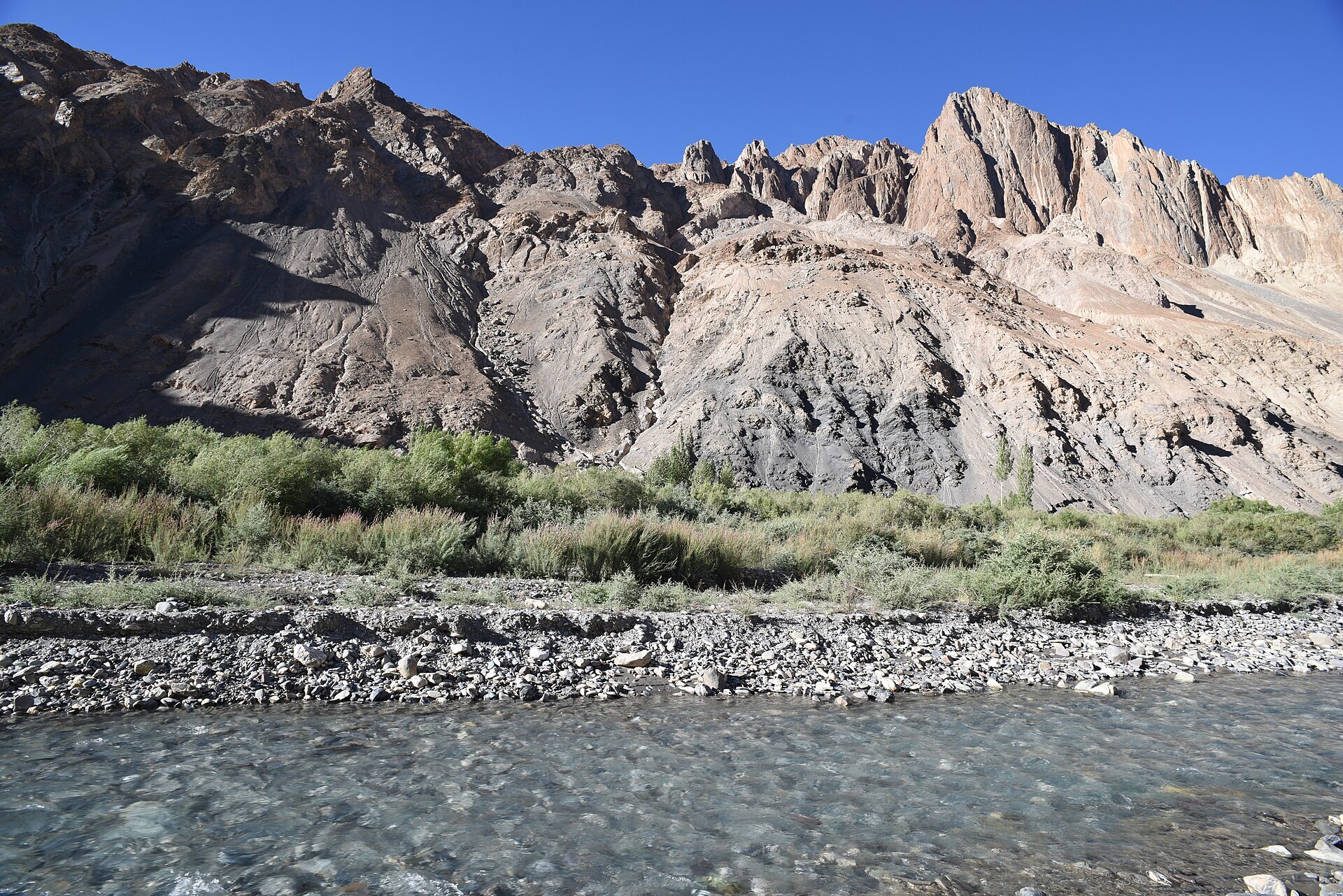
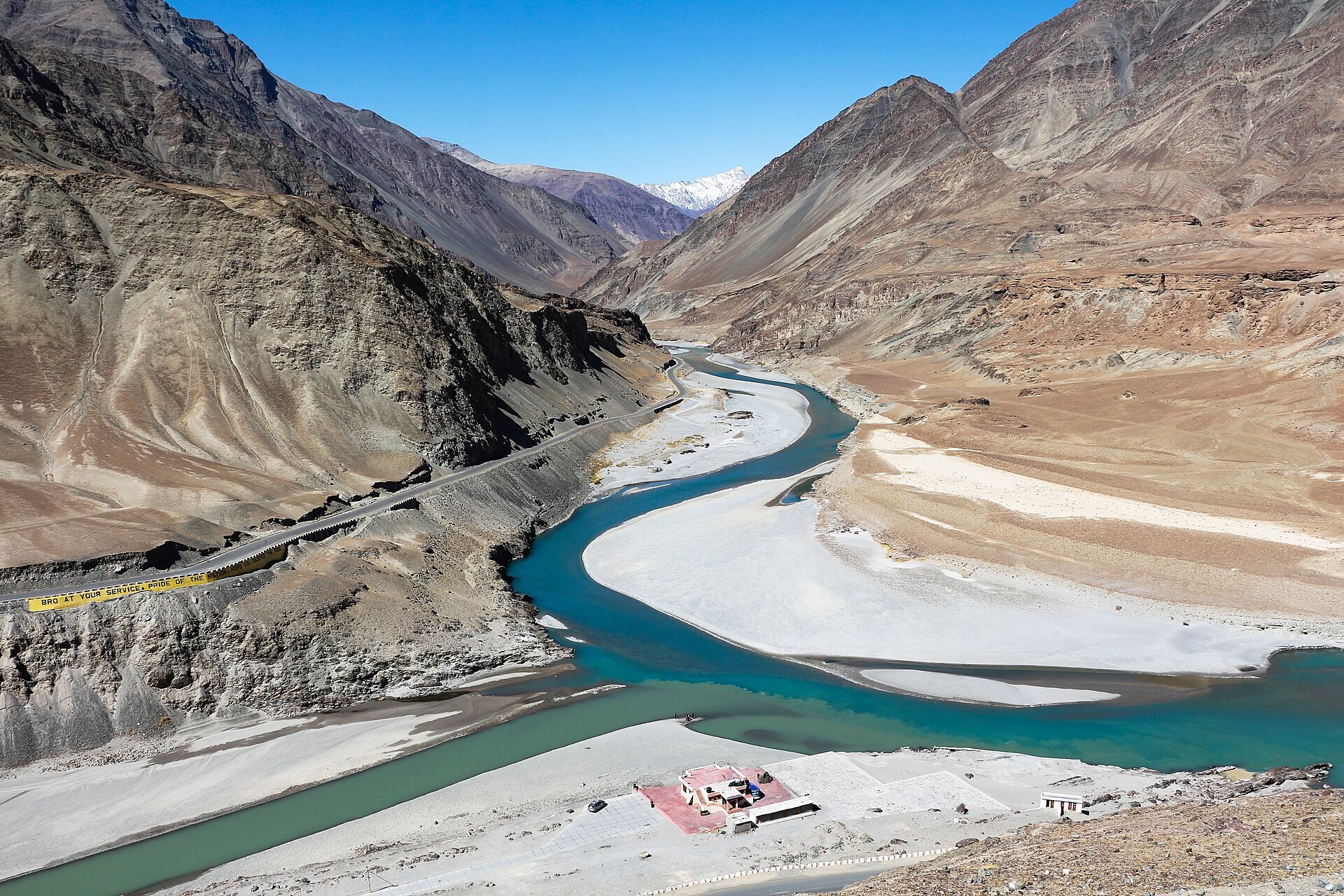
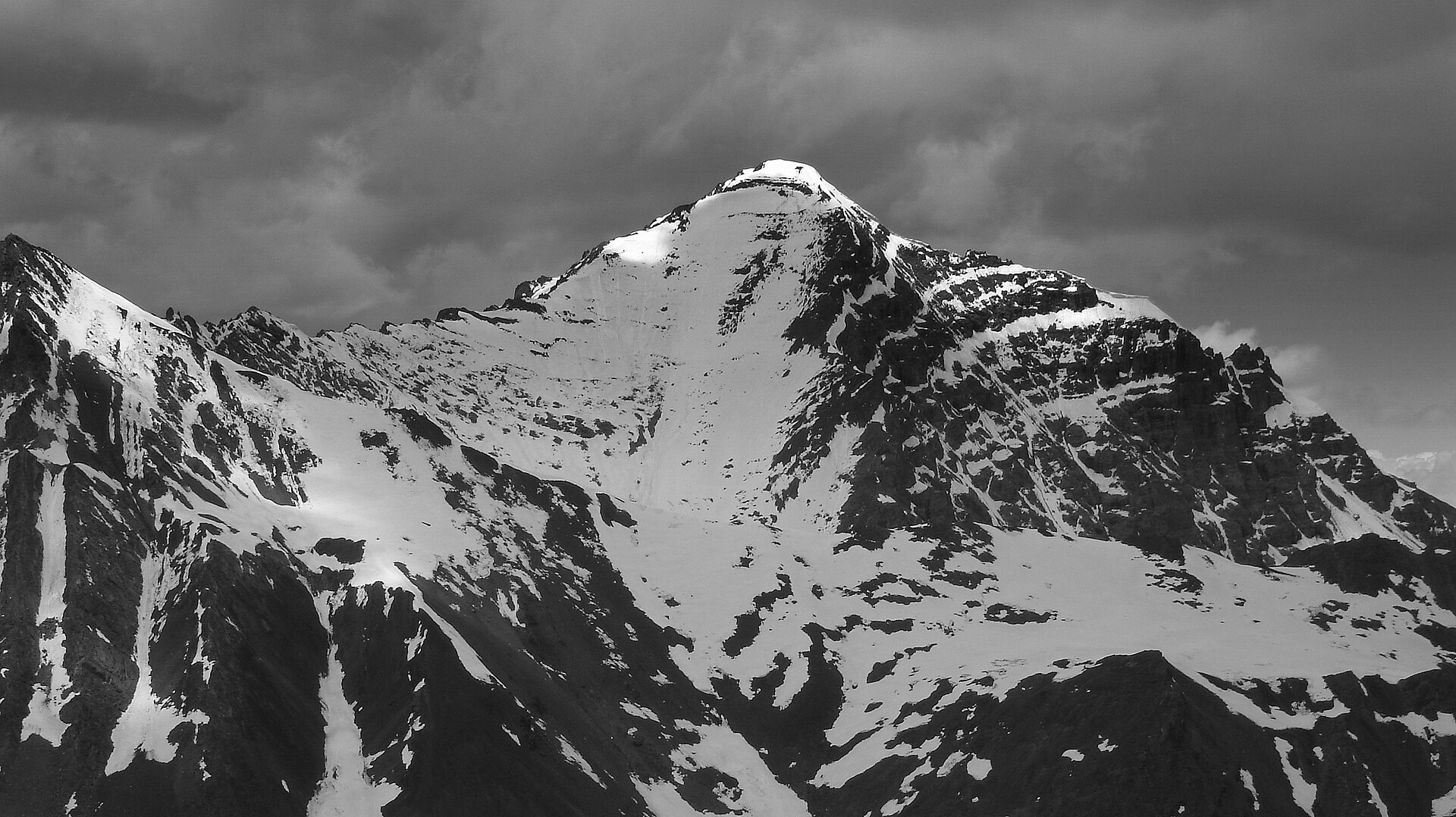
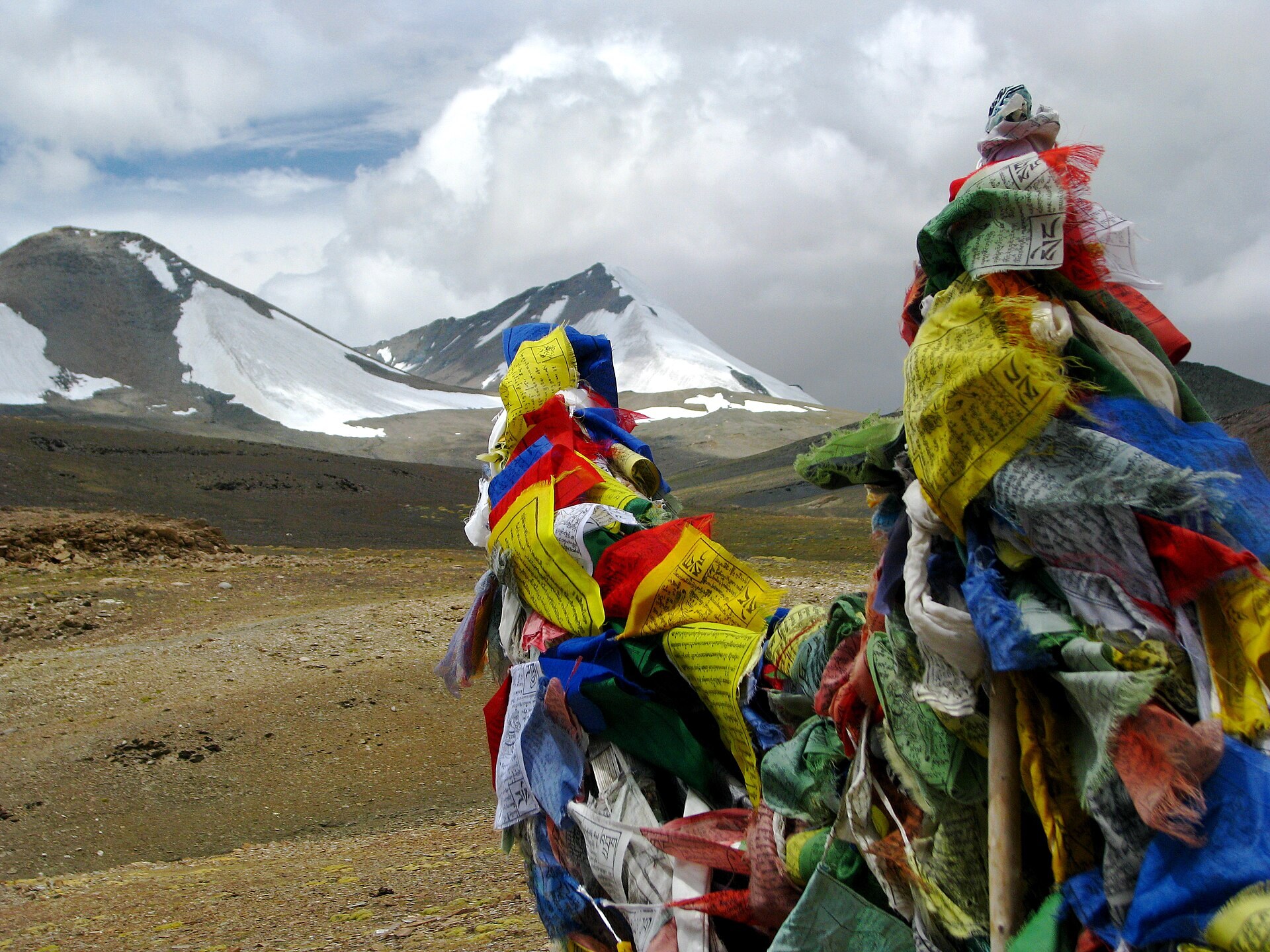
The geography is three great valley systems, Rumbak, Markha and Sumdah, folded between the Indus and the Zanskar range, from 3,300-metre gorge floors to 6,000-metre summits like Kang Yatze and Stok Kangri.

2 THE WINTER WATCH

Three ways to meet the ghost

Every serious sighting program works the same bones: base low in the Rumbak area, spotters on the ridgelines from first light, and patience as the main activity. The choices are comfort and company.

OPTION A · HOMESTAY TRIP

The village winter

7-10 DAYSLATE JAN-MID MAR

Farmhouse rooms in Rumbak or Zingchen, a guide-and-spotter team, days at the scopes and evenings by the bukhari stove. The most affordable and most Ladakhi version, book through Leh operators.

OPTION B · FIXED CAMP OR LODGE

The photography base

HEATED TENTSPRO SPOTTERS

Winter camps and small lodges near the park gate run larger spotting networks and longer lens logistics. Costlier, warmer, and with sighting rates that justify the gear you'll inevitably bring.

OPTION C · SUMMER INSTEAD

Trek the territory

JUN-SEPMARKHA / RUMBAK

Warm-season Hemis trades leopard odds for walking: the Markha homestay trail, Ganda La and Kongmaru La, bharal, wolves if you're lucky, and the same valleys in their green ten percent.

3 BASE OF OPERATIONS

Leh first, always

Every Hemis plan routes through Leh: the flight in at 3,500 m, the mandatory lazy acclimatisation days, the operators' offices, the last hot showers. Inside the park you'll sleep in homestays and camps arranged with your guide, the bookable beds are here.

4 THE FIELD DIARY

Notes from the scopes

Practical pieces on cold, patience and the economics of a cat: trip formats compared, kit that survives -20°C, homestay etiquette. New entries twice a week.

HISTORY

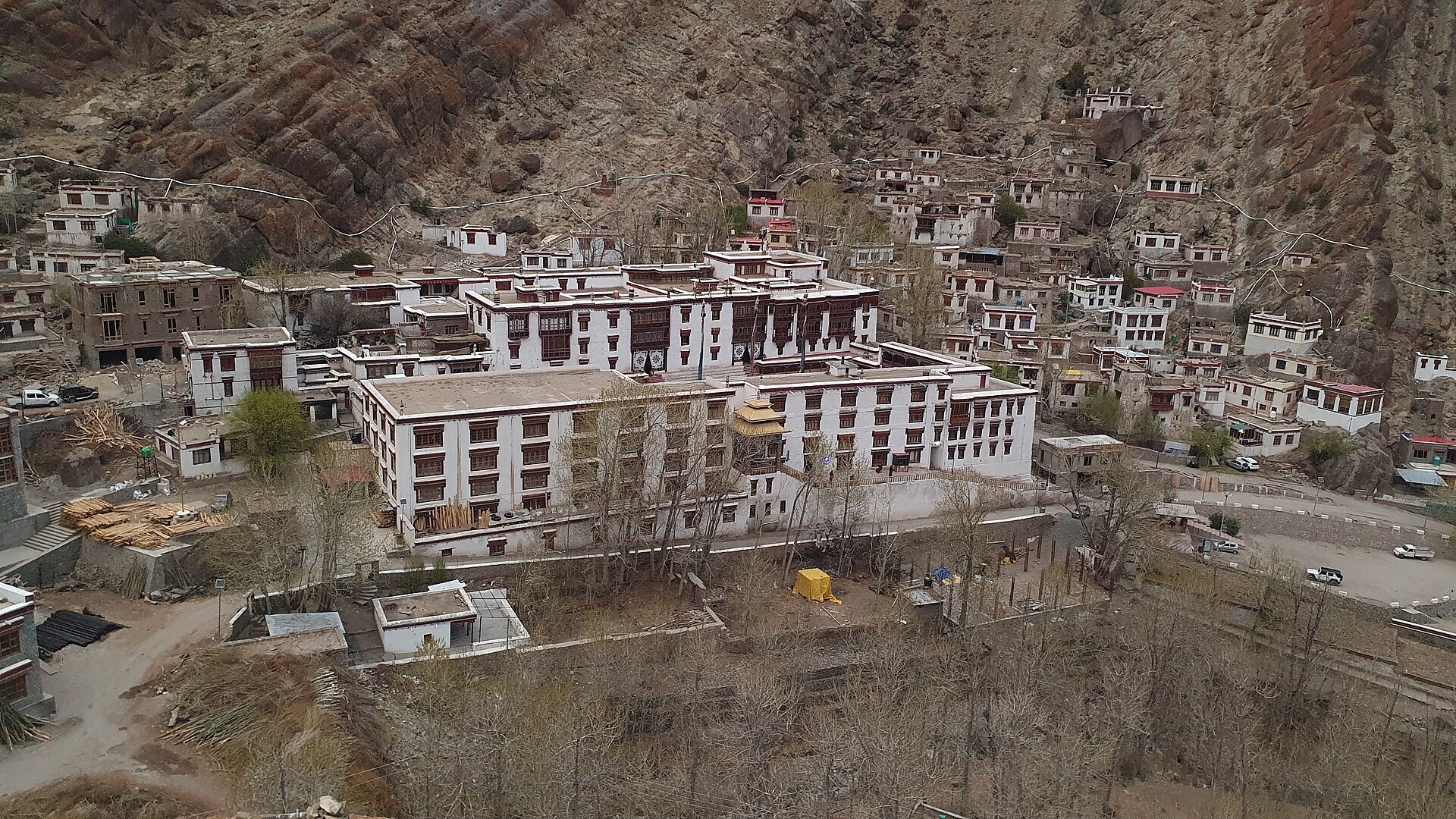
History of Hemis Monastery: Ladakh's Oldest Buddhist Stronghold

How Hemis Monastery was founded, survived raids, and became Ladakh's wealthiest gompa. A factual timeline for visitors heading into Hemis National Park.

GUIDE

Hemis vs Changthang: Which Ladakh Wildlife Reserve to Pick

Hemis National Park or Changthang Wildlife Sanctuary: terrain, wildlife odds, permits and logistics compared honestly, so you book the right trip first time.

GUIDE

Best Time to Visit Hemis National Park: Season Breakdown

A season-by-season guide to Hemis National Park: winter odds for snow leopards, summer trekking windows, festival dates, roads, and realistic costs.

GUIDE

Getting to Hemis National Park from Leh: Routes & Times

How to reach Hemis National Park from Leh: road distances, shared taxis, permits and realistic travel times for Zingchen, Rumbak and the park gate.

GUIDE

Hemis National Park Entry Fees & Permits: Complete Price Guide

What Hemis National Park actually costs: entry fees, camera charges, permits and who collects them. Honest, current figures for 2024 planning.

GUIDE

Where to Stay for Snow Leopards: Leh, Rumbak or Ulley Compared

A practical comparison of Leh, Rumbak homestays and Ulley for Hemis snow leopard trips: access, prices, who each suits, and when to book.

ITINERARY

48 Hours in Leh: The Acclimatisation That Saves Your Trip

A practical 48-hour Leh acclimatisation plan before heading into Hemis National Park: realistic timings, altitude logistics, and what the first two days should actually look like.

GUIDE

The Hemis Festival: Masked Cham Dances at the Namesake Gompa

Hemis festival dates, the cham dance schedule, and how to get a courtyard view. A practical guide written for people planning around the lunar calendar.

GUIDE

Long Lenses at -15°C: Photographing the Shan in Hemis

Practical camera settings, gear and field etiquette for photographing snow leopards in Hemis National Park, from a team that works the slopes every winter.

GUIDE

The Markha Valley Trek, Stage by Stage: A Hemis Route Guide

A factual stage-by-stage guide to the Markha Valley trek through Hemis National Park: distances, altitudes, homestays, river crossings, and honest seasonal advice.

GUIDE

Homestay Etiquette: How to Be a Good Guest at 3,800 m in Rumbak

Staying in a Rumbak homestay inside Hemis National Park? Practical etiquette on rooms, meals, toilets, payment and manners at 3,800 metres.
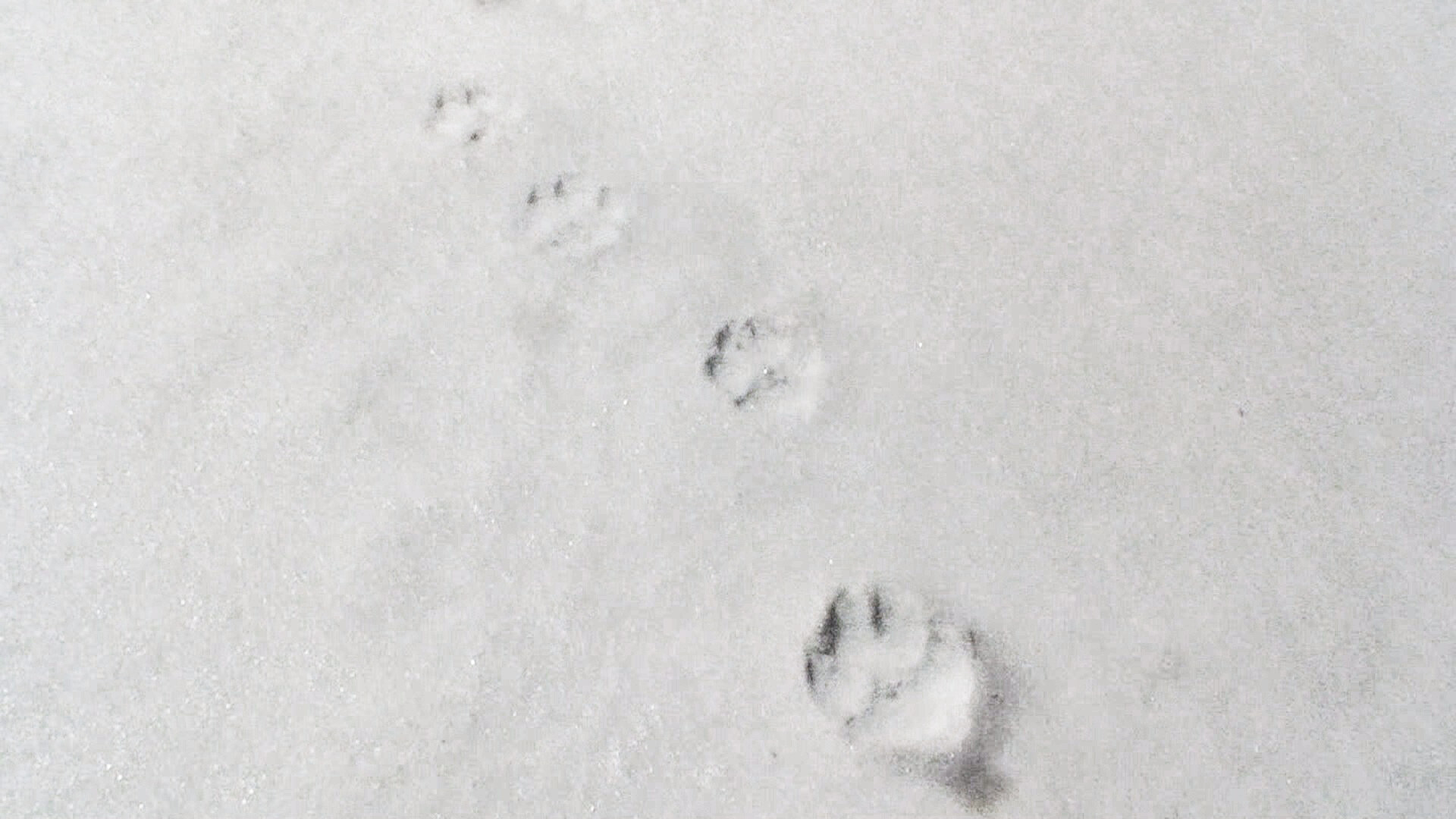
Snow leopard tracks in fresh snowWalter Inspruckner, CC0
THE GUIDE

The snow leopard trip, honestly: odds, cold and how a sighting happens

What the famous winter watch actually looks like, hour by hour.

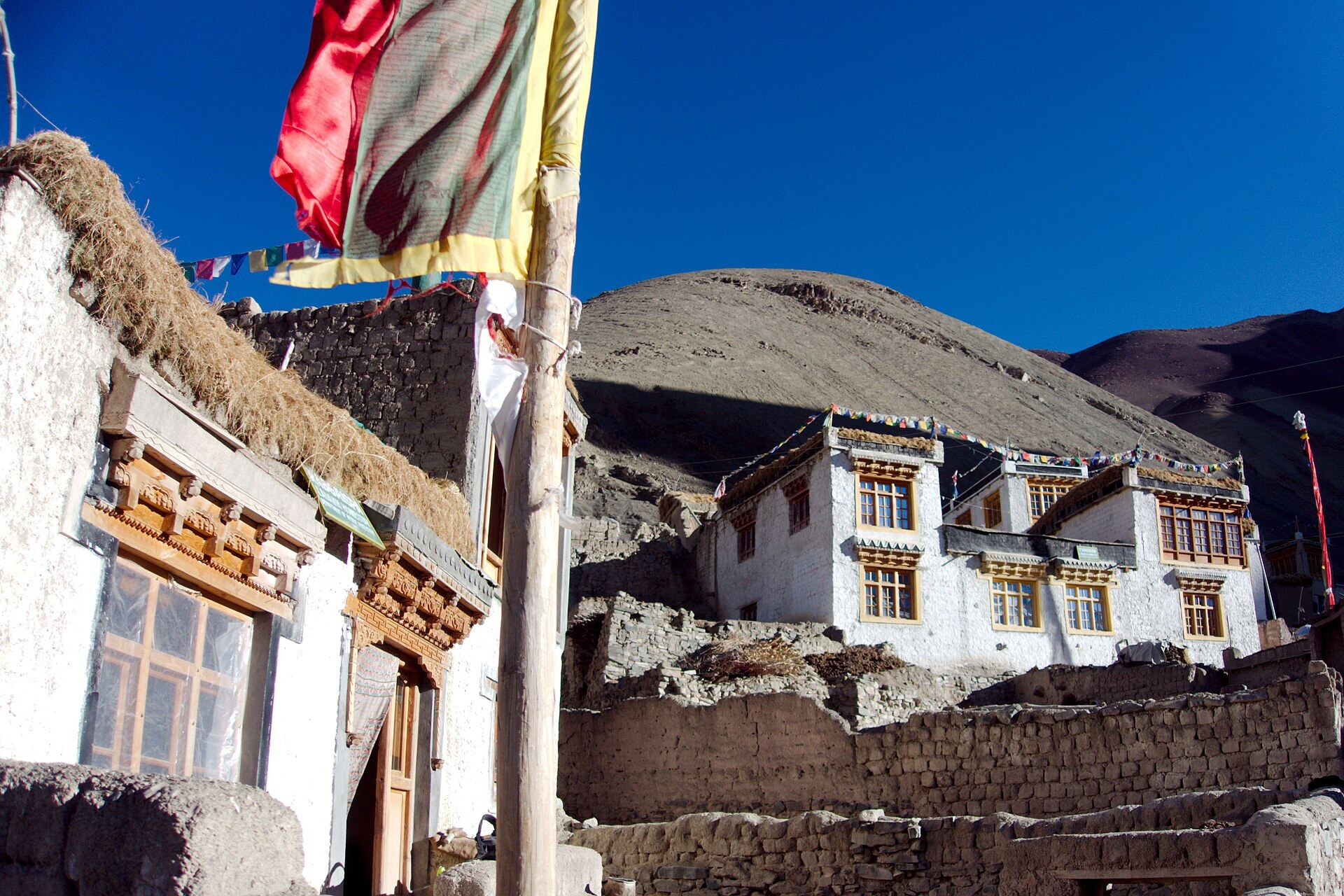
A homestay house in the Rumbak area
COMING SOON

Homestay etiquette: how to be a good guest at 3,800 m

Butter tea, bukhari stoves, water discipline and what your fee funds.

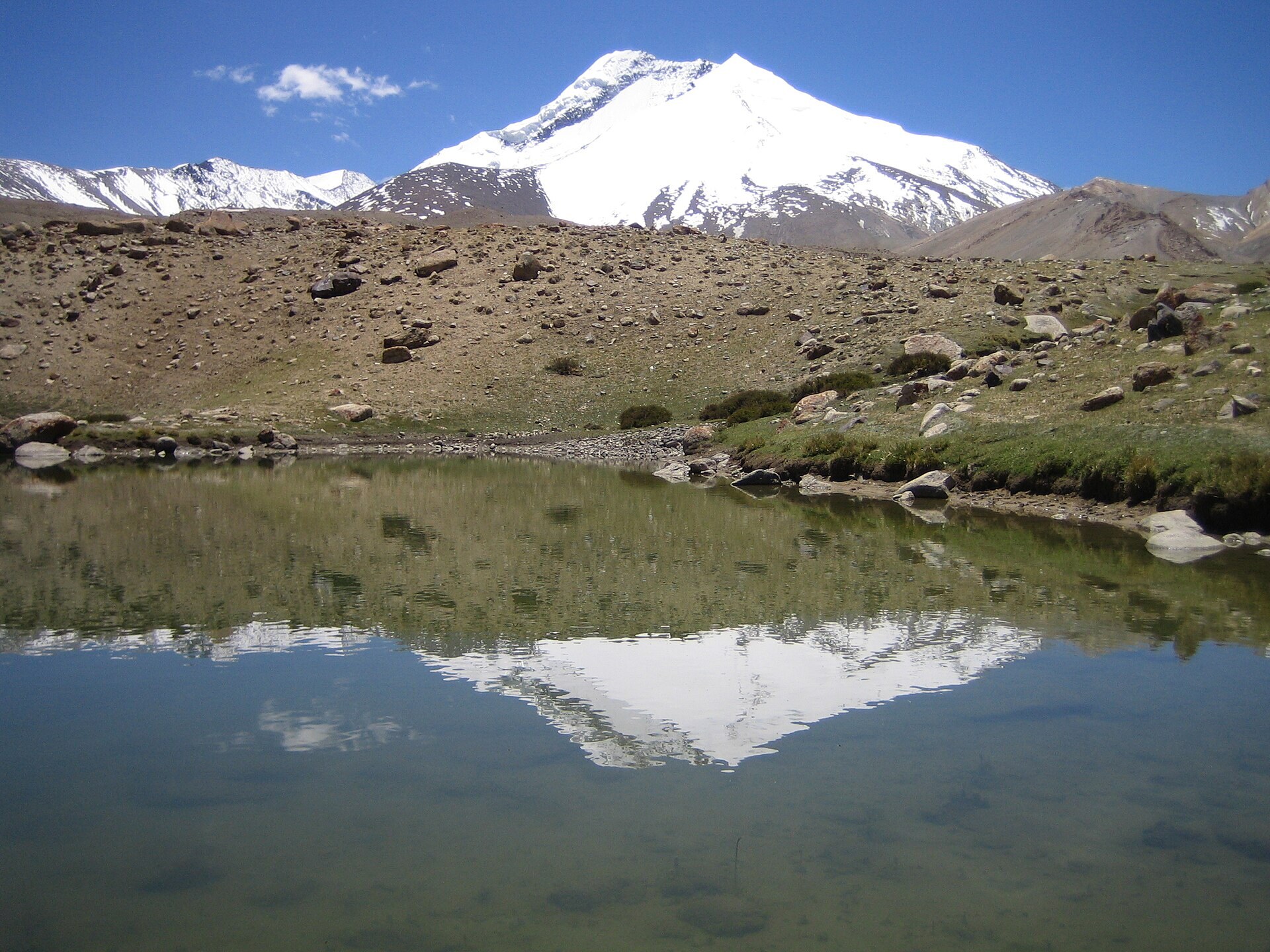
A lake below Kang Yatze on the Markha trek
COMING SOON

The Markha valley trek, stage by stage

Ladakh's classic homestay trail, villages, passes and tea-house arithmetic.
5 ASKED AT THE SCOPES
Will I actually see a snow leopard?

No honest operator guarantees it, but in the late-January-to-mid-March window, with a good spotting team and a week on site, the odds run strongly in your favour. Hemis is the one place on Earth where "probably" is the truthful answer.

How cold is it, really?

Daytime around freezing in the sun, nights to -15°C and below; the scopes stand in the shade. Layered down insulation, serious boots and chemical warmers turn it from ordeal into atmosphere.

How do the homestays work?

Park villages rotate guests between farmhouses: a clean room, thick quilts, family cooking, shared income. Book via Leh operators or walk in with your guide; it is the park's conservation engine as much as its accommodation.

Permits and guides?

Park fees are arranged in Leh or at the gate; a local guide-and-spotter team is effectively essential for leopards and courteous everywhere. Summer Markha trekking is doable independently thanks to the homestay chain.

What about altitude?

Fly into Leh at 3,500 m, then do nothing serious for 48 hours. The leopard watch itself is mostly standing still, which is exactly why acclimatising first matters: cold and altitude gang up on the unprepared.

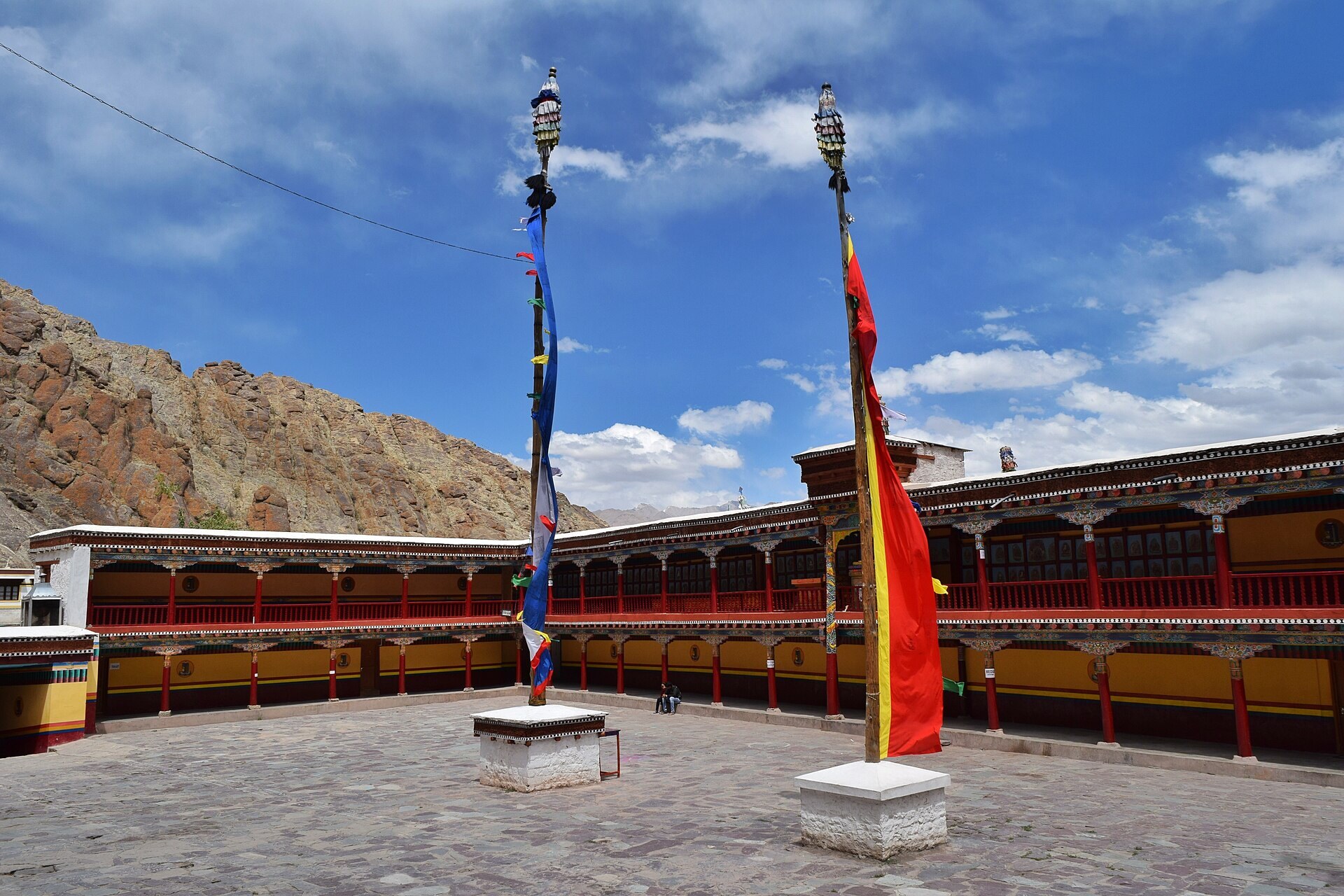
Prayer-flag poles in the courtyard of Hemis monastery
Hargunn, CC BY-SA 4.0

The cat keeps its secrets. Leh keeps a room.

Find a stay in Leh